How Afternoon Shade and Potted Roots Shift Harvest Days
A seed packet’s harvest estimate can feel unreliable when an Arizona bed bakes in afternoon sun or a container’s roots heat up between waterings. Shade and pots do not change a crop’s printed maturity range, but they can change how quickly a plant grows and sets fruit. Understanding those effects helps you estimate harvest more realistically and decide what to adjust.
Why harvest estimates shift in Arizona
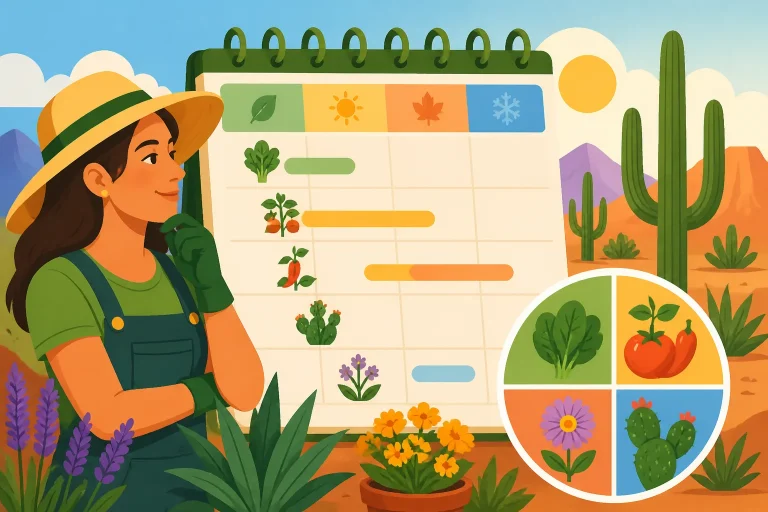
“Days to maturity” is a planning estimate, not a promise of a particular harvest date. Depending on the crop and seed packet, the count may begin at sowing or transplanting. Check the packet so you know what the number refers to, then treat it as a starting point. Local temperatures, sunlight, water, soil, and the plant’s health all affect how quickly it develops.
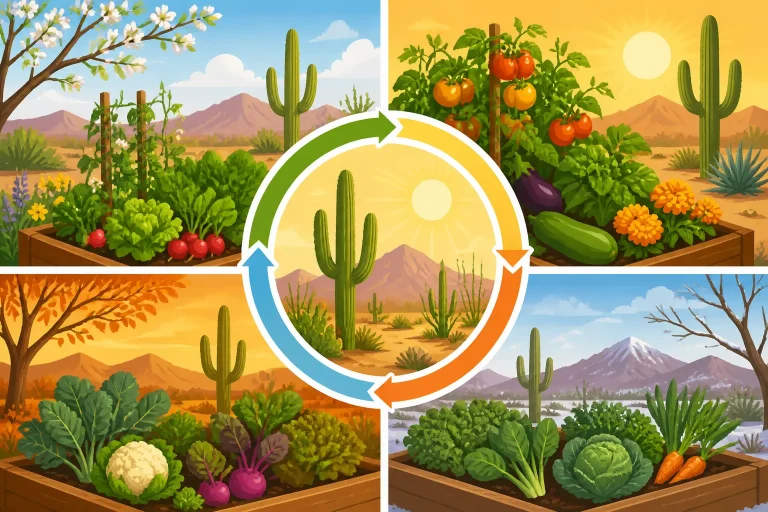
Arizona’s conditions make those differences especially noticeable. A garden in a warm valley does not experience the same growing conditions as a higher-elevation garden. Even within one yard, a bed against a sunlit wall, a shaded corner, and a container on hot paving can behave like separate growing sites. For a broader seasonal overview, see Arizona’s Two Growing Seasons: Recovering From July Garden Loss and Arizona Planting Calendar by Elevation and Zone.
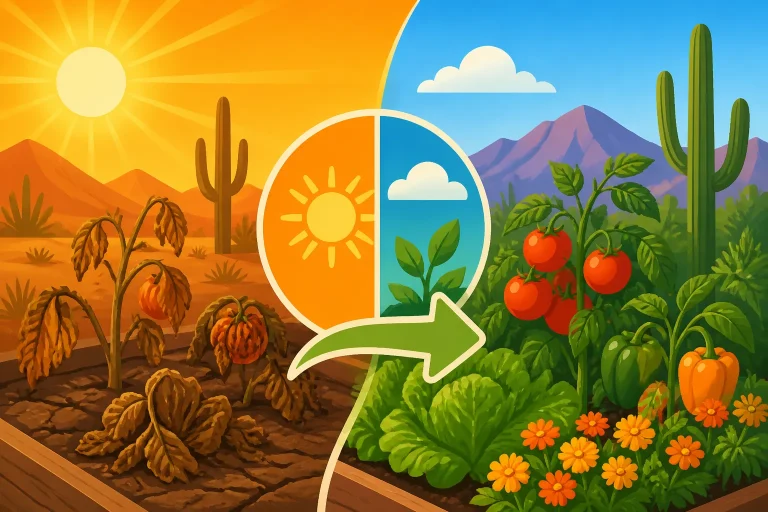
Plants need enough light to make the energy for growth, flowering, and fruit production. But intense heat can also interrupt those processes. Some crops slow down, wilt, stop setting fruit, or become stressed when exposed to prolonged heat. In those conditions, simply giving a plant more direct sun may not bring an earlier harvest. It can increase stress instead.
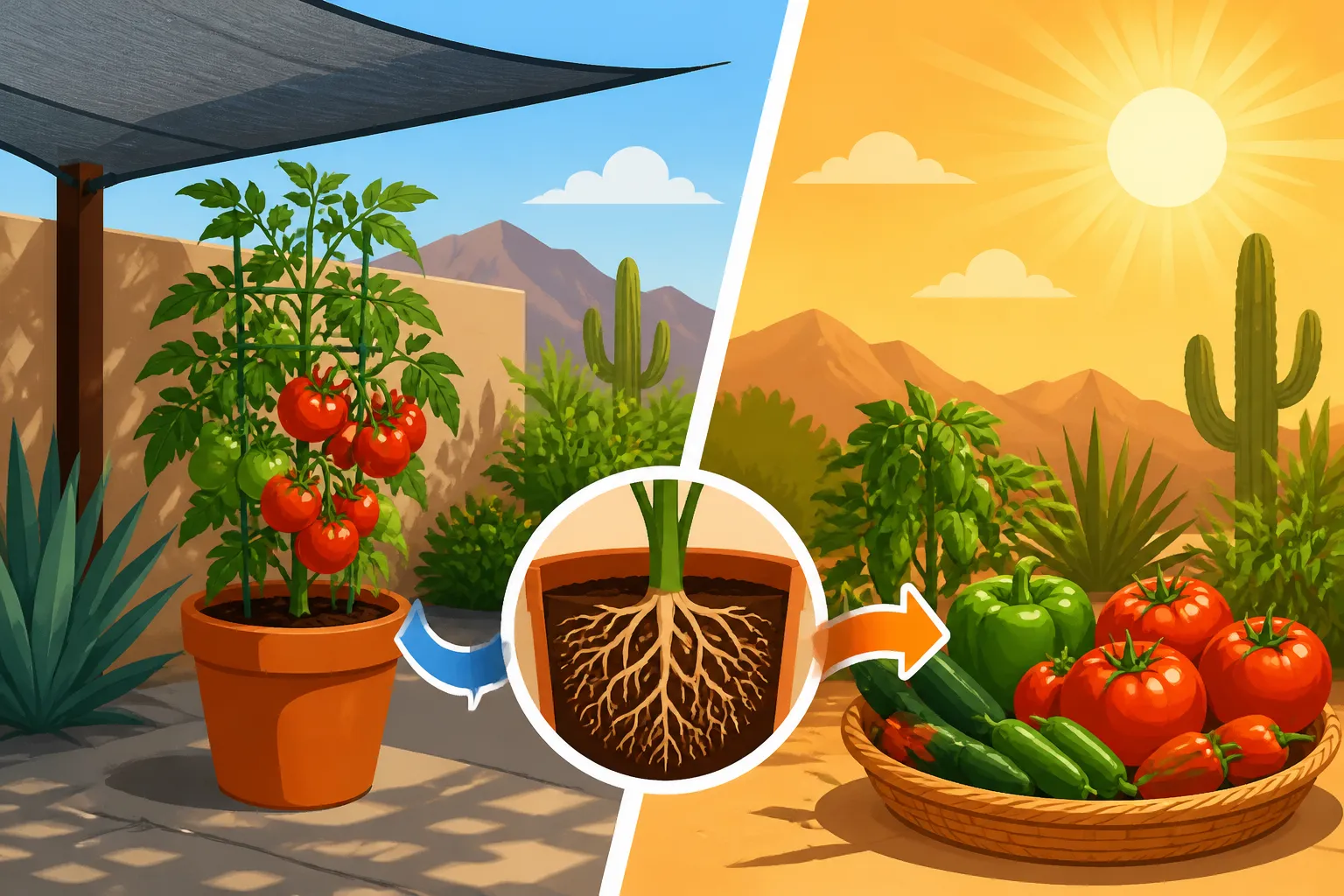
Harvest timing is therefore affected by both the amount of light available and the conditions surrounding the plant. A plant that receives useful morning sun and protection from harsh afternoon exposure may keep growing steadily through hot weather. A plant in deep shade, however, may not receive enough light to develop quickly. Containers add another factor: their limited soil volume can heat and dry faster than the ground, affecting roots even when the leaves look fine.
| Growing condition | Likely effect on timing | What to watch |
|---|---|---|
| Strong afternoon sun in hot weather | Heat stress may interrupt growth or fruit set | Wilting, flower drop, stalled growth |
| Light afternoon shade | Can reduce heat stress while retaining useful light | Steady new growth and flowering |
| Deep shade for much of the day | May reduce growth and delay maturity | Long, weak growth or slow fruit development |
| Container in direct sun on hot paving | Roots may heat and dry quickly, adding stress | Rapidly drying mix, hot pot sides, uneven growth |
| Container with protected roots and suitable light | More stable root conditions can support steadier growth | Consistent moisture and healthy new growth |
The table describes tendencies, not fixed outcomes. Crop type matters. Leafy greens, fruiting vegetables, and root crops respond differently to heat and shade, and a single garden can have several microclimates. To plan around the local season as well as the site, compare Choosing the Right Arizona Planting Calendar for Your Area with Tailoring Harvest Calendars to Elevation Across Arizona Regions.
It also helps to separate a plant’s development into stages. Germination, leaf growth, flowering, fruit set, and fruit filling are not interchangeable. A plant may emerge on schedule but then slow in hot weather. Or it may grow leaves well but fail to set fruit during a heat spell. The printed estimate cannot account for every pause or setback.
Rather than counting days alone, use the estimate to know when to begin checking. Then judge each crop by its own harvest signs: a suitable size, developed color, firm texture, or the stage described on the packet. Regular observation gives you a more useful harvest window than treating the maturity number as a deadline.
How afternoon shade changes crop development
Afternoon shade can help when it takes the edge off intense heat without depriving a plant of too much light. In many Arizona yards, the useful distinction is not “sun or shade,” but how many hours of direct light a crop receives, when it receives them, and how hot the site becomes during the afternoon.
Morning sun followed by partial afternoon shade often offers a practical balance for plants that struggle in hot conditions. The morning provides light while temperatures are usually less demanding; later shade can reduce the heat load on leaves and soil. That protection may help a stressed plant continue growing instead of repeatedly wilting or dropping flowers. It does not guarantee an earlier harvest, but avoiding repeated heat stress can keep development from stalling.
Too much shade has a different effect. When a plant receives limited usable light through much of the day, it may produce less energy for growth. Fruiting plants may flower or develop fruit more slowly, while leafy growth can become stretched or weak. A spot that is comfortable for people may not provide enough light for a crop to mature well. Observe the area across the day rather than judging it from one moment.
The best choice also depends on what you are growing. Crops grown for leaves may tolerate less direct sun than crops grown for fruit, but their needs still vary. Fruiting vegetables generally need adequate light for sturdy growth, flowering, and fruit development. In extreme heat, however, the same plants can suffer even in bright locations. For crop-specific light considerations, see Sunlight Needs for Arizona Summer Vegetable Crops and Selecting Heat-Tolerant Vegetable Varieties for Arizona.
Watch for the difference between heat stress and low light
A plant that is slow to mature is not automatically getting too much shade. Check its condition and its setting together. Heat stress may show up as midday wilting, scorched leaves, flowers that fail to develop into fruit, or growth that pauses during hot spells. If the soil is moist but a plant wilts in the afternoon and recovers later, heat load may be part of the problem; Why Arizona Garden Plants Droop at Noon Even When Soil Is Moist explains why midday drooping can be misleading.
Low light often looks different. A plant may stretch toward a brighter area, produce thin or weak growth, or remain small despite having adequate moisture. It may not show the sharp midday stress associated with excessive heat. These are clues, not definitive diagnoses, so also check for pests, disease, watering problems, and root restrictions. Diagnosing Pest and Weather Damage on Arizona Vegetables can help you sort out other causes of slow growth.
If you add shade, use the plant’s response to guide you. A change that reduces wilting and helps new growth continue may be useful. If the plant becomes more stretched or stops flowering, the location may now be too dim. Shade can come from a structure, nearby tree, or movable cover, but the important point is the pattern of light reaching the crop. A temporary change lets you assess the effect before making a permanent layout decision.
Consider the timing of shade
A garden that receives sun early and shade later is not equivalent to one shaded in the morning and sunny during the hottest part of the day. The first arrangement may keep useful light while limiting afternoon exposure. The second may leave a heat-sensitive crop exposed when stress is greatest. How much that matters depends on the crop, the season, and the amount of light the site receives overall.
Reflected heat can also make a shaded spot hotter than it looks. Walls, paving, and other hard surfaces may hold or reflect heat toward foliage and containers. If a plant remains stressed despite afternoon shade, look at what is around it: a shaded canopy does not necessarily mean a cool root zone or a mild planting site. For practical examples of how site exposure affects growing conditions, see How Afternoon Shade and Potted Roots Shift Harvest Days—but because that is this page’s topic, use site observations and the related resources on Evaluating Direct Sun, Reflected Heat, and Soil Drainage in Your Yard instead.
Why container roots can shift harvest timing
A pot’s above-ground environment can change quickly. Unlike garden soil, a container has a limited volume of mix exposed to air and sun. It can warm rapidly, and it can lose moisture faster than a bed. Roots affected by heat or repeated drying may have less capacity to support steady growth, flowering, and fruit development. That can push harvest later even when the plant appears to be getting enough sunlight.
The container itself matters. Dark surfaces often absorb more solar heat than light ones, while thin walls and small volumes can provide less insulation than larger, heavier pots. A pot placed on hot paving may experience additional warmth from below and from reflected heat. A container beside a sunny wall may stay hotter than one in a more open position. These effects vary with the material, location, weather, and watering conditions.
Root stress is not always obvious from the leaves. A plant may wilt during the hottest part of the day, then look better later. A container may feel hot to the touch, or its mix may dry unevenly. If the root zone repeatedly becomes too hot or too dry, the plant can slow down. Fruit may take longer to reach a harvestable size, and new flowers may not develop as expected.
Choose and place containers with the root zone in mind
When planning a container garden, consider the pot’s location as well as its size and appearance. A stable position with appropriate light and some protection from extreme afternoon heating can reduce temperature swings. If a pot is on a surface that becomes hot, moving it or shielding the container itself may help. The goal is not to put every pot in deep shade; the leaves still need light appropriate to the crop.
Larger containers generally provide more growing mix than small ones, which can make conditions less quick to change. But a large pot is not a substitute for good drainage, suitable mix, or consistent watering. A crowded root system can also limit growth, while poorly draining mix can keep roots too wet. Learn more about container irrigation in Summer Watering Schedules for Arizona Container Vegetables and about matching irrigation to crops in Watering Vegetables in Arizona: Irrigation Timing and Methods.
Keep the container’s foliage and root zone in mind as separate parts of the site. A plant may need enough light above the rim while its pot is protected from intense direct sun. For example, a container can be positioned where foliage receives bright morning light but the pot is less exposed to late-day heat. That arrangement can be more effective than shading the entire plant, particularly when the crop needs good light to flower and fruit.
Keep moisture steady without overwatering
Container moisture can change quickly, but adding water whenever the surface looks dry can create other problems. The top of the mix may dry while lower layers remain moist, or the whole pot may dry more rapidly during hot, windy weather. Check moisture below the surface and consider the plant, pot, and weather rather than following a rigid schedule.
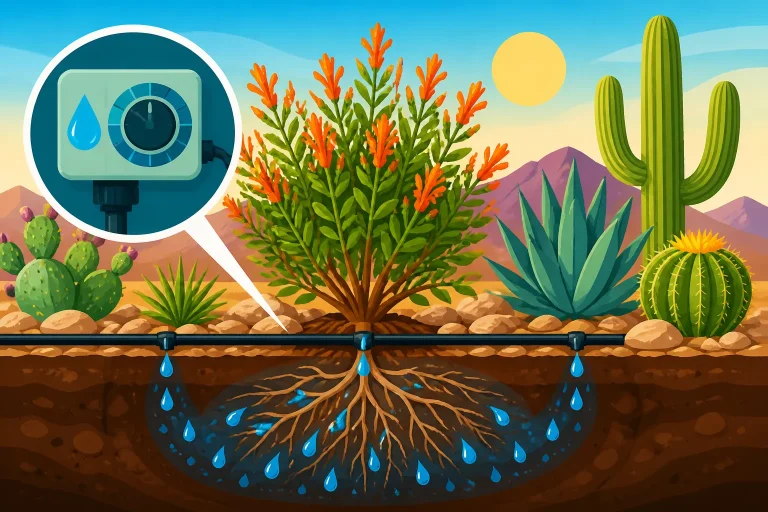
A plant that is chronically dry may slow down; a plant in waterlogged mix may also struggle because roots need oxygen. Check that excess water can drain and that the mix is not compacted or staying saturated. For in-ground beds as well as containers, irrigation should wet the root zone rather than just the surface. Probing Soil Moisture Depth Under Vegetable Drip Lines offers a way to think about checking moisture below the top layer.
Mulch can reduce moisture loss from exposed mix, but it does not correct a pot that is too small, poorly drained, or sitting in excessive heat. Avoid piling material against stems, and check that the surface remains easy to inspect. In a container, small changes in placement, pot protection, and watering habits can have a noticeable effect because the total root volume is limited.
How to estimate harvest days and make practical adjustments
You do not need to predict an exact date to make a useful planting plan. Start with the crop’s maturity estimate, note whether it is counted from sowing or transplanting, then account for the growing conditions the plant is likely to experience. If the crop will spend its main growth period in intense heat, heavy shade, or a hot container, allow for the possibility that development will not match the packet estimate.
A simple tracking method can make future planning easier. Write down the sowing or transplant date, the location, and any major changes such as added shade or a container move. Note when the plant first flowers, sets fruit, or reaches a harvestable size. Over time, those observations show how your own yard behaves. You can use them to adjust later plantings rather than relying only on a general estimate.
- Read the maturity information carefully. Check whether the count starts at sowing or transplanting. If the packet gives a range, use the range rather than focusing on one number.
- Record the growing conditions. Note the crop’s exposure, whether it is in a bed or pot, and any heat or watering issues.
- Look for stress before changing the calendar. Check soil or potting mix moisture, drainage, light, and signs of pests or disease. A delayed plant may have a problem that shade alone will not solve.
- Make one useful adjustment at a time. If heat appears to be the issue, protect the root zone or reduce harsh afternoon exposure while keeping appropriate light. If the plant is stretched or weak, reassess whether it has enough light.
- Use crop-specific harvest cues. Begin checking as the estimated window approaches, but harvest when the plant reaches the size or stage you want.
A useful estimate should help you decide when to watch, not force you to harvest early or wait past the crop’s ideal stage. Leafy crops are often picked by leaf size and tenderness, while fruiting crops are judged by development and ripeness. Root crops may need a careful check of size. The best indicator is the crop itself, supported by the packet’s guidance.
Choose the right adjustment for the problem
If a bed receives harsh afternoon sun and plants show signs of heat stress, consider modest afternoon protection rather than moving them into deep shade. If plants are growing slowly in a shady spot but otherwise look healthy, increasing their access to suitable light may help. If a container’s roots are hot and its mix dries rapidly, focus on the pot’s placement and moisture stability before changing the foliage’s sun exposure.
If the plant’s growth is uneven, examine the entire setup. A tomato in a container, for example, may receive adequate light but struggle because its pot is exposed to heat and the mix dries quickly. Another plant may have comfortable roots but flower poorly because it is too shaded. Treating every slow harvest as a watering issue or a sunlight issue can lead to unnecessary changes.
When several changes seem appropriate, make them in a sensible order. First check whether the plant has a basic problem such as blocked drainage, dry roots, or a crowded container. Then consider whether the light pattern suits the crop. Keep notes, because changing the pot, shade, water, and feeding at once makes it hard to tell what improved or worsened growth.
Arizona gardeners often have to make this assessment within a specific seasonal window. A plant that is slow during a difficult period may not catch up before the weather changes. If the planting window is nearly past, compare the crop’s remaining maturity needs with the local season before adding more plants. Did You Miss the Window to Plant Vegetables This Season? and Starting Mid-Season: Which Crops Can Still Finish in Time? can help frame that decision.
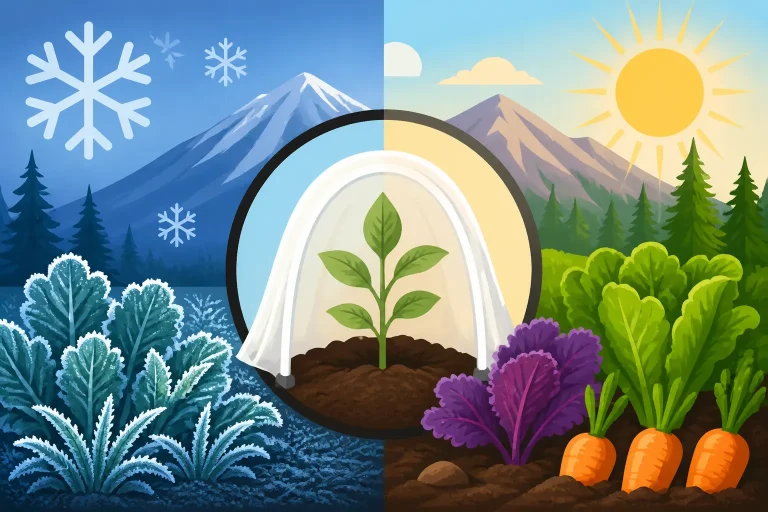
For broader timing, pair local observations with a regional planting calendar rather than using a single calendar for the whole state. Elevation, frost risk, and the timing of hot weather affect how much time a crop has to mature. When to Start Your Garden by Arizona Elevation and Arizona Frost Dates: Freeze Probabilities Across the State provide relevant context, while Low-Desert Planting Calendar: Two Main Growing Seasons focuses on the low desert.
Frequently Asked Questions
Does afternoon shade always make vegetables take longer to mature?
No. Deep or prolonged shade can limit light and slow development, but partial afternoon shade may reduce heat stress in a hot location. If that protection helps a plant keep growing and setting fruit, it may avoid some of the delays caused by heat. The result depends on the crop, the amount of shade, and the season.
Should containers be placed in shade to keep their roots cool?
Not necessarily. A container can receive suitable light while the pot itself is protected from excessive heating. Consider the crop’s light needs, the pot’s material and size, and the heat reflected from nearby paving or walls. Watch how the plant responds before changing its location.
Why does a potted plant wilt even when I watered it?
The mix may have dried again, the roots may be stressed by heat, or water may be draining through without wetting the root zone evenly. A plant can also wilt temporarily during the hottest part of the day. Check moisture below the surface, drainage, and the container’s exposure before increasing watering.
How should I use the days-to-harvest number on a seed packet?
Treat it as an estimate and check whether it starts at sowing or transplanting. Use it to decide when to begin checking the crop, then rely on the crop’s size and maturity signs. Keep notes on your planting date and conditions so your future estimates reflect your own garden.
Disclaimer
This article is for general informational purposes only and does not constitute professional advice. Laws, prices and regulations vary by location and change over time. Consult a qualified professional for guidance on your specific situation. Arizona Gardening Guide is not a government agency and is not affiliated with any university extension, state department of agriculture or other government agency.