Managing Short Seasons and Frost Risk in the Arizona High Country
A garden in Arizona’s high country can face late spring freezes, cool summer nights and an early fall frost, sometimes within the same growing season. The challenge is not just choosing crops that tolerate cold; it is fitting sowing, transplanting and harvest into the time your site actually offers. A flexible calendar, based on local frost risk and your yard’s microclimates, makes that possible.
Why the Arizona High Country Has a Short Growing Season
Arizona’s high country is not one uniform gardening region. Elevation, slope, exposure and nearby terrain all affect when soil warms, when frost settles and how long crops have to mature. A garden in a sunny, sheltered spot may get a useful head start over a nearby bed exposed to cold air and wind. Two households in the same town can therefore have different planting windows.
The growing season is the part of the year when conditions allow a particular crop to grow and produce. It is not simply the number of days between two calendar dates. A crop may remain alive through cool weather yet grow too slowly to produce a harvest before frost. Conversely, a plant that is sensitive to freezing may keep producing until a brief cold snap arrives.
Frost dates are probabilities, not appointments
A last spring frost date or first fall frost date is an estimate based on historical weather observations. It describes a probability of frost around a period or date, not a promise that frost will or will not happen on a particular night. Frost risk changes from year to year, and a forecast cannot eliminate that uncertainty.
For planning, look up probabilities from a weather station that reasonably represents your area. A station at a different elevation or in a different landscape setting may not match your yard. Arizona Frost Dates: Freeze Probabilities Across the State explains why frost probabilities vary, and Finding the Right Arizona Weather Station for Frost Timing can help you think through which local record is most useful.
Do not treat the first date with a low historical frost probability as a guarantee of safety for tender seedlings. Nor does an early frost in one year mean that the usual planting season has permanently shifted. Use climate information to set a cautious starting point, then adjust for the actual weather, soil temperature and condition of your garden.
Elevation matters, but it is not the whole story
Higher elevations generally have cooler conditions and a shorter warm-weather window than low-desert areas, but elevation alone does not tell you exactly when to plant. Cold air can settle in low areas, while a slope or a protected yard can warm sooner. Wind exposure, shade, nearby structures and the direction your garden faces also influence conditions.
A garden near a wall may receive reflected warmth, but that same wall can create uneven heat and dry soil more quickly. A low corner may appear sheltered from wind yet collect cold air on still nights. Rather than relying on a broad regional calendar alone, observe your own site and compare it with local weather data. Arizona Planting Calendar by Elevation and Zone and Camp Verde vs. Prescott: Navigating Elevation in the Garden offer related ways to think about regional variation.
Hardiness zones answer a different question
A USDA Plant Hardiness Zone is based on average annual extreme minimum winter temperatures. It can help you assess whether a perennial is likely to survive winter, but it does not tell you when to sow vegetables or how many frost-free days you will have in a given year. A plant may survive the winter and still fail to produce fruit before fall frost.
For annual vegetables, focus on the length and pattern of the growing season, the crop’s temperature needs and the frost probabilities for your area. For perennial plants, use hardiness information alongside local winter exposure and site conditions. Do not use a zone label as a substitute for a planting calendar.
Build a Calendar Around Your Site
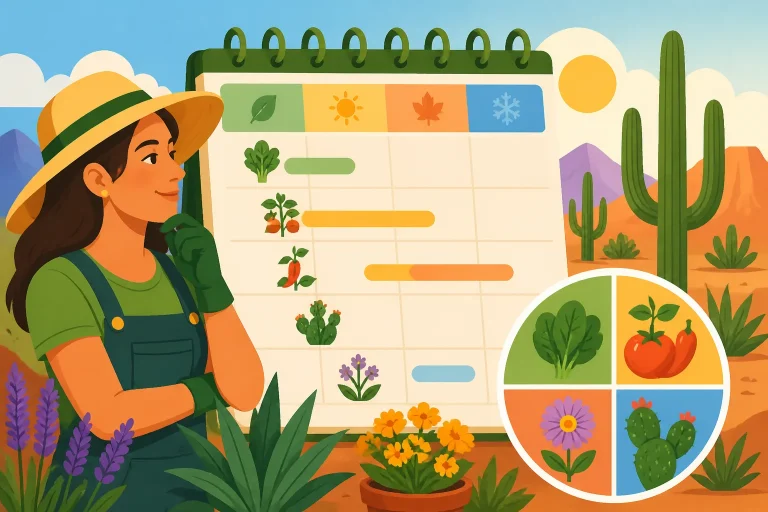
A useful planting calendar starts with local conditions, not a single statewide date. The goal is to estimate a reasonable window for sowing and transplanting, then leave enough flexibility to respond to weather. A calendar should help you decide what to do next; it should not force you to plant into cold, wet or frozen ground.
Gather a few kinds of information
Start with historical frost probabilities from a representative station, but treat them as one planning tool. Then record what happens in your yard: when snow or frost lingers, when sunny beds dry, when the soil becomes workable and when the first cold nights affect plants. A simple garden notebook can reveal patterns that a regional chart cannot.
For each growing area, note:
- Approximate elevation and whether the bed is on a slope or in a low spot
- Morning and afternoon sun, including shade from buildings or trees
- Exposure to wind and the direction from which cold air seems to arrive
- Whether the bed is next to a wall, paved surface or other heat-storing feature
- Soil texture, drainage and how quickly the soil warms after cold weather
- Dates when you sowed or transplanted, and how plants responded
These observations will not make weather predictable, but they help explain why a crop did well in one bed and struggled in another. Keep separate notes for different parts of the yard if their conditions clearly differ.
Use a conservative window for tender crops
For frost-sensitive crops, plan around a cautious interpretation of spring frost risk rather than the earliest plausible planting date. Check the forecast as planting approaches, but remember that a short forecast window cannot capture every risk for the entire season. If a cold spell threatens newly planted crops, postpone planting or prepare protection.
Warm-season crops also need warm soil, not just nights without frost. Seeds planted in cold ground may sprout slowly or unevenly, leaving them vulnerable to rot or pests and shortening the time available for growth. A warm afternoon does not necessarily mean the soil is ready. For a closer look at soil conditions, see How Soil Temperature Readings Guide Spring Vegetable Planting and Should You Wait for Warm, Dry Soil Before Sowing Spring Crops?.
Cool-season crops are often more tolerant of chilly weather, but tolerance varies by crop and by stage of growth. A mature plant may withstand conditions that damage a newly emerged seedling. That is why a planting window should consider both the crop and its stage, not just whether a plant is described as “cold tolerant.”
Plan for fall in reverse
Fall planning starts with the likely end of the season, then works backward. Estimate when frost risk becomes significant for your garden, and allow time for the crop to mature before then. Use the seed packet’s days-to-maturity information as a planning estimate, not a guarantee. The number may assume conditions that differ from a cool high-country garden.
A crop that needs many warm days may be a poor choice for a late sowing, even if it can tolerate a light frost near harvest. A quick-growing leafy crop or root crop may be a better fit, provided it has enough time to establish. How Growing Season Length Determines Your Fall Planting Cutoff and Reading Seed Packets for Days to Maturity When Planning Fall Beds explain how to think through that calculation.
For fall sowing, allow for cooler soil and shorter days, which can slow growth. A crop planted on the same calendar date in spring and fall may not mature at the same pace. Avoid planning harvest around the earliest possible frost date alone; include a buffer, particularly for crops that must reach full size before cold weather.
Keep a few calendar versions
Instead of building one rigid schedule, create a basic plan with alternatives. For example, list a preferred planting window, a later option if spring stays cold and a backup crop if the season slips. In fall, decide ahead of time which beds will be reserved for faster crops if warm-season plants finish early or fail to mature.
This approach reduces the pressure to plant everything on one weekend. It also helps prevent a common mistake: filling every bed with crops that all need the same warm conditions and the same long season. A flexible plan spreads risk across planting dates, crop types and locations.
Choose Crops That Can Finish Before Frost
The most dependable crop is not necessarily the one that grows fastest on a seed packet. It is one whose temperature needs, days to maturity and harvest requirements fit the conditions of your specific garden. In a short season, focus on the crop’s usable harvest rather than simply whether the plant can survive.
Sort crops by their temperature needs
Cool-season crops such as leafy greens, peas and many root crops can be useful early in the season or as fall plantings. They may grow well when warm-season crops are still waiting for warmer soil. However, very cold soil can still slow germination and establishment, so “cool-season” does not mean “plant at any temperature.”
Warm-season crops such as tomatoes, peppers, beans, squash and corn generally need warmer soil and weather to grow well. Some need a long stretch of warm conditions to mature fruit. In a short season, the most challenging crops are often those that need both a warm start and a long time to produce a harvest.
A crop’s frost tolerance also differs from its ability to grow in cold conditions. A plant may endure a brief cool spell without being productive. If growth stalls for weeks, it may not recover enough to produce before fall. Consider the whole sequence: germination, early growth, flowering, fruit set and harvest.
Read maturity information with care
Days to maturity is a useful comparison, but its meaning can vary. For crops started from seed, the count may begin at sowing; for transplants, it may begin at transplanting. Check the seed packet or plant information rather than assuming all labels count the same way.
Even when the starting point is clear, the stated number is an estimate under suitable growing conditions. Cool nights, cold soil, shade, transplant shock or a hot spell that disrupts fruiting can change the timeline. Choose crops with enough margin that a modest delay does not erase your chance to harvest.
A short-season crop may still be a poor match if the edible portion must mature after flowering or fruit set. For example, the time needed to grow a plant is not always the same as the time needed to produce a harvestable crop. Look for information about harvest stage, not just plant size.
Use transplants selectively
Starting certain crops indoors can give them a head start, but it does not make the garden warm sooner. A transplant still needs suitable soil and outdoor conditions. Setting a tender plant outside too early can expose it to cold soil, wind and frost, turning the apparent head start into a setback.
Transplants are most helpful when a crop takes a long time to reach a productive stage and can handle being started indoors. They are less useful for crops that grow quickly from seed or do not transplant well. Starting indoors also requires space, adequate light and careful adjustment to outdoor conditions. Direct Sowing vs. Starting Indoors: Which Arizona Crops Need Starts? compares these choices, and When to Start Seeds Inside to Beat the Arizona Frost or Summer Heat covers the timing question.
Before planting indoor-grown seedlings outside, acclimate them gradually to outdoor sun, wind and temperature changes. A sheltered transition helps reduce shock. Avoid moving tender seedlings directly from a protected indoor spot into intense sun or a cold, exposed bed.
Favor reliable harvests over ambitious variety lists
A small number of well-matched crops can produce more dependable food than a long list of plants that never reach harvest. If you are new to the site, start with a few crops suited to both cool and warm parts of the season. Record which ones matured, which stalled and how much protection they required.
Consider whether you need the whole crop to mature at once or can harvest gradually. Leafy greens, for example, can often be picked as they grow, while crops harvested as a mature fruit or head may require a longer uninterrupted period. A garden with staggered harvests can remain useful even when the season is too short for every plant to reach a large final size.
For warm-season choices and timing, Selecting Quick-Maturing Crops for Arizona Mountain Gardens and Selecting Short-Season Varieties for Elevated Arizona Plateaus may help narrow options. Check current seed and plant descriptions before buying, since availability and product information can change.
| Garden situation | A practical approach | Main risk to manage |
|---|---|---|
| Spring soil is cold, but days are sunny | Wait for the bed to warm; use the time to prepare supports or start suitable seedlings indoors | Slow germination and poor establishment |
| A tender crop is ready, but frost remains possible | Delay transplanting or use appropriate temporary protection and monitor forecasts | Frost damage to leaves and growing tips |
| Warm-season crops have little time left | Prioritize crops with a shorter path to harvest and avoid adding more long-season plants | Fruit or heads not maturing before fall cold |
| Fall is approaching | Work backward from local frost risk and sow crops that can mature in the remaining conditions | Slow growth as days shorten and temperatures fall |
| One bed is consistently warmer | Use it for crops needing extra warmth, while keeping a record of its limits | Assuming a warm spot is frost-proof |
Protect Plants Without Betting the Season on Covers
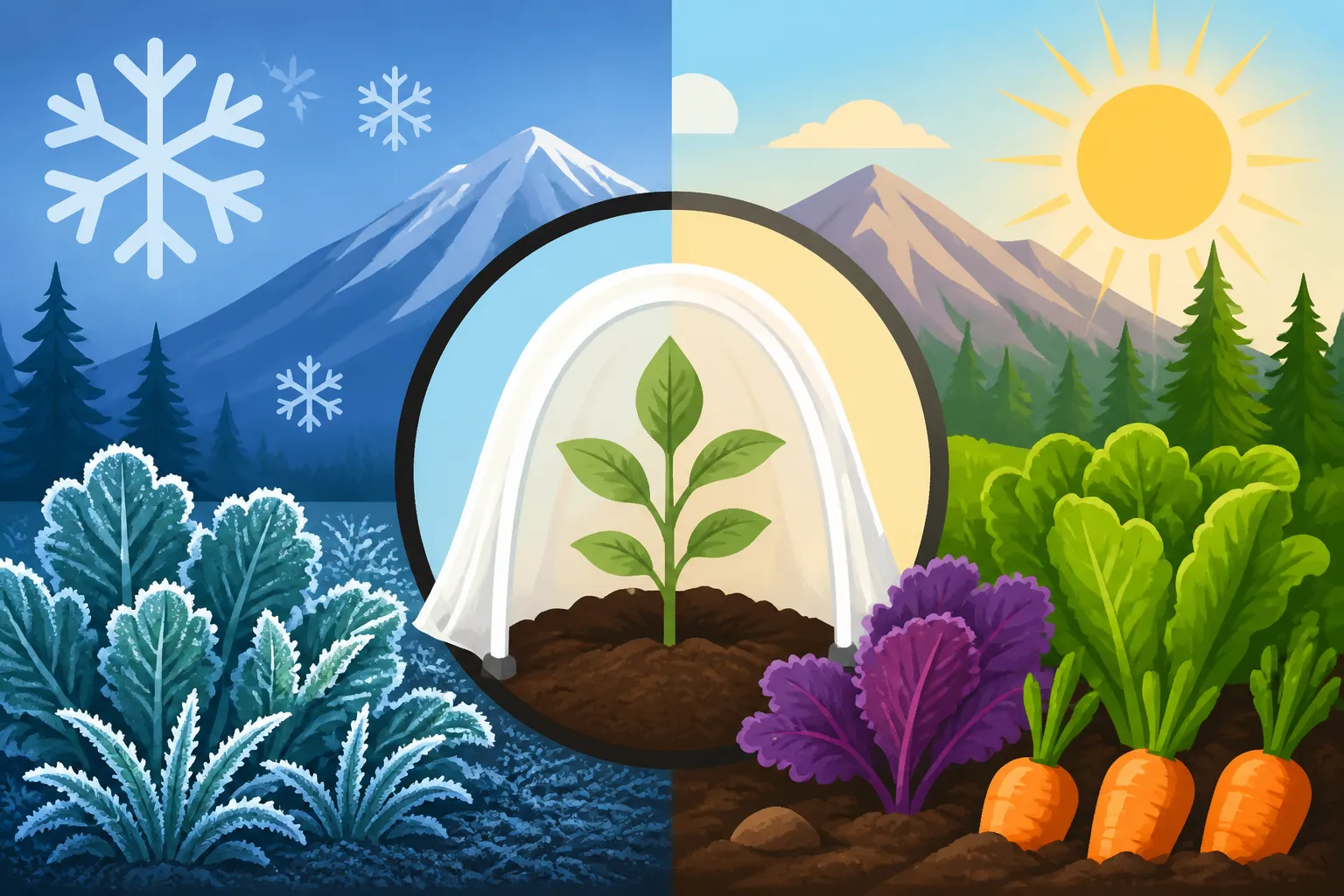
Row covers, frost cloths and other protective materials can reduce exposure during a cold event, but they do not replace good timing. Protection is a tool for managing limited risk, not a guarantee that a crop can be planted weeks ahead of its normal window. The result depends on the material, how it is installed, local conditions and the intensity and duration of the cold.
Match protection to the crop and the forecast
A light cover may help shield plants from a brief cold night, while more severe or prolonged cold can still damage them. Follow the product instructions for the cover you use, and do not assume that every fabric or plastic material offers the same protection.
Before a forecast cold night, check that the cover can be secured so it does not blow onto or expose the plants. A cover that touches tender foliage may not provide the same protection as one supported above the crop. Remove or vent protection when conditions warm enough to avoid trapping excessive heat, and follow the material’s directions.
Covers can be especially useful for established plants that face a short period of risk. They are less likely to rescue seedlings planted into very cold, wet ground or crops already weakened by poor growth. Can Frost Blankets Let You Plant Seedlings Weeks Early? discusses why covers should be treated as a limited buffer rather than a replacement for seasonal timing.
Use structures cautiously
Low tunnels, cold frames and greenhouses can extend the useful season, but each needs monitoring. A covered space may warm quickly on a sunny day and then cool sharply overnight. Poor ventilation can also create conditions that are difficult for plants, especially if moisture remains trapped around foliage.
A small greenhouse does not automatically create a frost-free environment. Its performance depends on design, insulation, ventilation, location and the weather. If you use a structure, track night temperatures inside it and make adjustments based on what happens rather than assuming the plants are protected.
For larger structures, placement matters. A sunny site can help with winter light, while exposure to strong wind or afternoon heat may create other problems. Can a Backyard Greenhouse Be Used Year-Round in Arizona? and Ventilating and Shading a Backyard Desert Greenhouse cover broader structure decisions, though high-country growers should also account for local cold and wind.
Avoid common protection mistakes
Do not cover plants and then forget about them during a warm, sunny day. A cover can trap heat, and young plants may suffer if temperatures rise too much. Likewise, do not leave a cover loose enough to flap against foliage or expose the bed when the wind shifts.
Avoid treating protection as a fixed number of extra growing days. The amount of help varies with the weather and setup. A frost cloth may reduce damage during a brief event but still be inadequate in a longer cold spell. Have a backup plan for crops you cannot afford to lose, such as delaying planting, growing a second sowing or reserving a more sheltered bed.
Prepare Soil and Beds for a Fast Start
In a short season, the time between “safe to plant” and “harvest” matters. Soil that drains well, warms appropriately and supports healthy roots can help crops establish without unnecessary delay. Preparation before the planting window reduces the temptation to rush into unsuitable conditions.
Check drainage and workability
Cold, wet soil can be difficult for seeds and roots. Working soil when it is saturated can damage its structure, leaving clods or compacted areas that are harder to manage later. Wait until the bed is workable rather than trying to force planting because the weather forecast looks promising.
If water stands in the bed or drains slowly, identify the cause before planting. Poor drainage can slow warming and stress roots. Raised beds may improve drainage and can warm earlier than surrounding ground, but they may also dry more quickly. Make adjustments suited to your site rather than assuming a raised bed solves every problem. Getting Desert Soil Ready for a First Vegetable Garden and Soil Mix Essentials for Arizona Raised Vegetable Beds discuss soil preparation and bed choices.
Keep moisture steady during establishment
Seeds need enough moisture to germinate, and newly transplanted seedlings need consistent access to water while roots expand. In a cool spring, however, watering heavily when the soil is already wet can make conditions worse. Check the soil rather than watering by habit.
As plants grow, water needs change with weather, plant size and soil type. High-country conditions can include dry air, wind and strong sunshine even when temperatures are cool. Do not assume that a cool day means the root zone is moist, or that a wet-looking surface means the soil is wet where roots are growing.
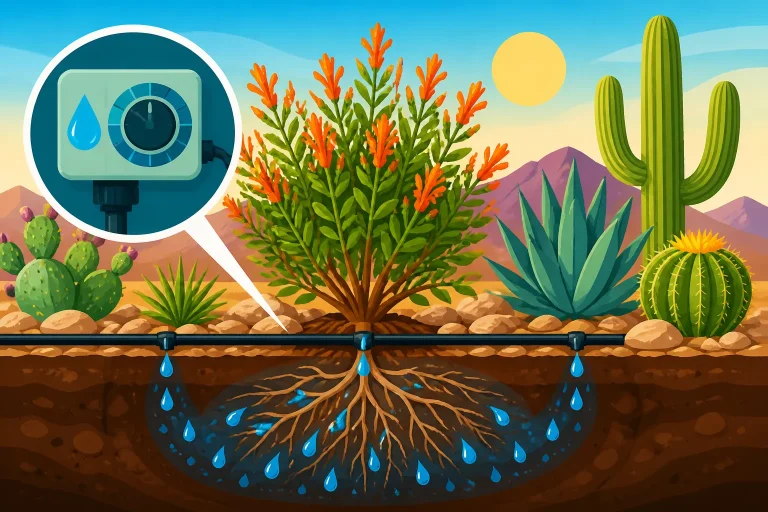
Drip irrigation can deliver water near the root zone, but its performance depends on the system and soil. Check whether water is reaching the depth of the roots rather than judging by the surface alone. Watering Vegetables in Arizona: Irrigation Timing and Methods and Probing Soil Moisture Depth Under Vegetable Drip Lines offer practical background.
Manage weeds before they take the advantage
Weeds compete with garden crops for light, water and space. In a short season, a crop that loses early growth to competition may not have enough time to catch up. Remove weeds while they are small, and keep paths and bed edges from becoming seed sources.
Mulch can help reduce evaporation and suppress some weeds, but its effects depend on the material and timing. A thick layer placed around seedlings can make it harder for small plants to emerge or may keep the soil cooler when warming is still needed. Apply mulch with the crop’s stage and the season in mind. See Garden Mulching Strategies for Conserving Soil Moisture in Arizona for more on using mulch thoughtfully.
Avoid overfeeding as a substitute for time
Extra fertilizer does not make a crop mature faster if cold soil, short days or unsuitable temperatures are limiting growth. Excess nutrients may encourage leafy growth without solving the underlying problem. Use a soil test or product directions to inform fertilizer decisions, and follow the product label for any fertilizer used.
In a short season, healthy roots and steady growing conditions are often more valuable than aggressive feeding. If plants look weak, check for cold stress, water problems, poor drainage, crowding or pests before assuming they need more fertilizer. Choosing the Right Fertilizer for Arizona Vegetable Beds offers help with matching fertilizer decisions to garden conditions.
Manage the Season as It Changes
High-country gardening is not a single spring planting event. It is a series of decisions: when to begin, when to protect, what to sow next and when to stop investing in crops that cannot finish. Planning for those stages helps you use beds efficiently without treating every change in weather as a crisis.
Spring: start with the conditions you have
Before sowing, check the soil and the forecast. Clear beds of winter debris, repair supports and prepare irrigation while conditions are still cool. Plant crops that can handle cooler conditions first, then hold tender crops until the soil and night temperatures are more suitable.
If spring weather turns cold after planting, assess the crop rather than automatically replanting. Some plants may recover; others may have damaged growing points or roots. Remove badly damaged plants only after you can see whether new growth is emerging. Keep a record of what was planted and what protection was used so next year’s schedule can be more realistic.
Summer: use the warmest part of the window wisely
Summer can provide the best growth conditions for warm-season crops, but the window may be brief. Make sure plants have enough space, water and support to grow efficiently. Crowded plants are harder to inspect and may compete for light and moisture. Tall plants can also shade nearby crops more than expected.
Watch for signs that flowers or fruit are not setting, or that growth has slowed. Temperature extremes, uneven watering and other stresses can interrupt production even when frost is no longer the immediate concern. Do not assume that a crop will automatically recover enough to mature later. If the plant has not begun producing and the season is advancing, decide whether it is worth keeping or whether a faster crop could use the space better.
A succession planting can spread harvest risk. Rather than sowing all of a crop at once, plant a portion, then sow more later if the first planting performs well and enough season remains. The later sowing should be based on realistic maturity time, not optimism. Succession Sowing in Arizona to Prevent Summer Harvest Gluts describes the general idea of staggering plantings.
Fall: shift from growth to harvest and protection
As nights cool and days shorten, growth slows for many crops. Keep harvesting crops that are ready, remove plants that are no longer productive and protect valuable crops when frost risk rises. A cover may buy time, but it cannot provide an unlimited extension.
For fall crops, sow early enough that seedlings establish before cold weather slows growth. If the window has passed for a long-maturing crop, choose something that can use the remaining conditions instead of planting it simply because the bed is empty. Cool-Season Planting: What Belongs in an Arizona Fall Garden and How to Plan Around Frost in High-Elevation Arizona Gardens offer additional seasonal context.
Before frost, harvest crops that will not tolerate freezing, where appropriate, and use the forecast to guide decisions. Do not assume a frost warning applies equally to every part of your yard. Cold-air pockets can make one bed more vulnerable than another, and a sheltered site may remain warmer.
Keep a season-end record
At the end of the season, note what worked and what did not. Record first and last frost impacts in your garden, but do not treat a single year as a permanent calendar. Include the crop, sowing or transplanting date, bed location, protection used, harvest timing and any major weather disruption.
The most useful notes answer practical questions: Did the soil stay cold after the air warmed? Did a cover prevent damage? Which crops reached harvest with room to spare? Which ones were still immature when frost arrived? Over several seasons, the pattern can help you choose better crops and more realistic planting windows.
Make a Backup Plan Before Planting
A short season rewards preparation, but weather can still disrupt a good plan. A backup plan reduces the cost of a missed window and helps keep an empty bed from becoming a source of frustration.
Decide what you will do if spring is late
If spring remains cold, delay tender crops rather than planting them into conditions that will hold them back. Use the interval to prepare beds, install supports, repair irrigation and sow crops that suit the current soil conditions. A delayed planting can still succeed if the crop has enough time left to mature.
If seedlings are already ready indoors, potting them up may help keep them healthy while you wait, provided they have enough light and suitable care. Do not keep seedlings crowded or let them become stressed simply to preserve an early calendar target.
Decide what you will do if a crop falls behind
If a warm-season crop has not progressed as expected, assess how much time remains and what stage it has reached. A plant that has only recently begun flowering may have a different outlook from one with developing fruit. Consider whether it can produce a useful harvest before frost, and whether continuing to water and care for it is the best use of the bed.
You can also plan to replace a failed crop with a faster option, provided the remaining weather supports it. Keep a few seeds or seedlings in reserve if that fits your gardening style, but choose replacements based on their realistic maturity needs. Starting Mid-Season: Which Crops Can Still Finish in Time? helps frame that decision.
Protect the harvest, not just the plant
The purpose of season extension is to reach a useful harvest, not to keep every plant alive indefinitely. A plant may survive a cold night without producing much more. Prioritize crops with food already developing, and decide whether covering, harvesting or removing the plant makes the most sense.
Some crops can continue to provide edible leaves even when growth slows, while others need a particular stage of maturity. Learn the harvest cues for the crops you choose and use them to guide decisions. Post-Harvest Storage Temperatures for Arizona Vegetables can help with the next step once crops are picked.
Adjust one variable at a time
When a crop fails, changing everything at once makes it hard to learn why. Next season, try a different sowing date, a warmer bed or a more suitable crop, while keeping other conditions similar. A simple comparison between a sheltered and exposed bed can show whether microclimate is important. A comparison between direct sowing and transplants can reveal whether starting method is the issue.
This measured approach builds a calendar that fits your own yard. Regional advice remains useful, but your notes can turn it into a more dependable local plan.
Frequently Asked Questions
Can I plant after the average last frost date?
You can, but an average or probability-based date is not a guarantee. Tender crops may still be exposed to a late freeze. Check local frost probabilities and the short-term forecast, wait for suitable soil conditions and be ready to delay planting or protect crops if cold weather returns.
Do hardiness zones tell me when to plant vegetables?
No. Hardiness zones describe average annual extreme winter lows and are most useful for assessing perennial survival. Vegetable planting depends more on soil temperature, frost risk, crop needs and the length of time available for growth.
Will a frost blanket make my season much longer?
A cover may reduce damage during some cold events, but the result depends on the material, setup and weather. It is a buffer, not a promise of a fixed number of extra weeks. Follow the product directions and continue to monitor conditions.
Should I start every vegetable indoors?
No. Some crops benefit from a head start, while others are better sown directly or do not handle transplanting well. Choose the method based on the crop, the conditions indoors and outdoors, and how much growing time is available.
What should I do if a crop is not mature before frost?
Harvest what is ready, protect valuable plants when conditions allow and assess whether the crop can still produce a useful harvest. For the next season, record the timing and consider an earlier planting, a faster-maturing option or a crop better suited to your site.
Disclaimer
This article is for general informational purposes only and does not constitute professional advice. Laws, prices and regulations vary by location and change over time. Consult a qualified professional for guidance on your specific situation. Arizona Gardening Guide is not a government agency and is not affiliated with any university extension, state department of agriculture or other government agency.