Surviving Summer: Keeping an Arizona Garden Alive in Peak Heat
Surviving summer in an Arizona garden depends on protecting roots, managing shade and water, and choosing what to pause until conditions ease.
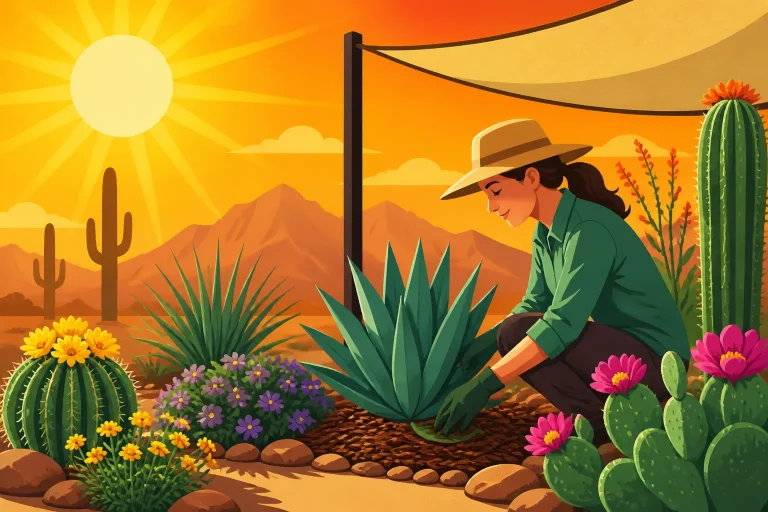
Surviving summer in an Arizona garden depends on protecting roots, managing shade and water, and choosing what to pause until conditions ease.
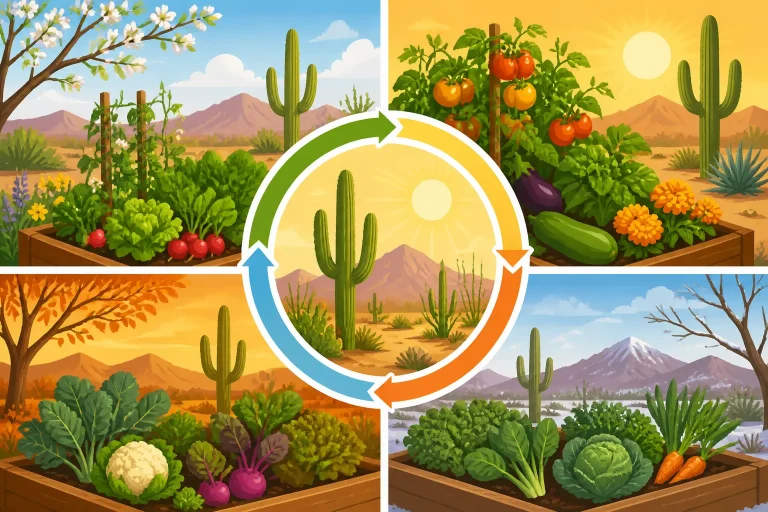
Low desert vegetable gardening works best when crops match seasonal heat, cool nights, and frost risk; flexible planting windows matter more than fixed dates.
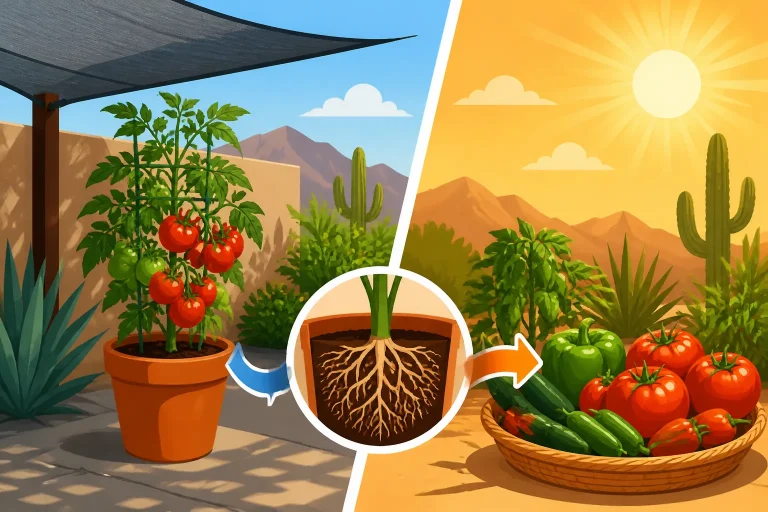
Afternoon shade and hot container roots can shift Arizona harvest timing; match light and root-zone care to the crop, then use maturity cues.
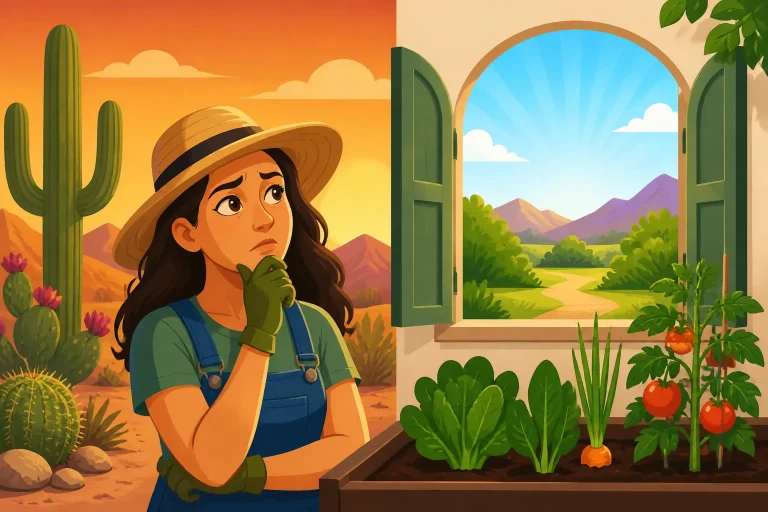
Missed an Arizona vegetable planting window? Match the crop to your elevation, remaining season, and weather, then plant, switch crops, or wait.
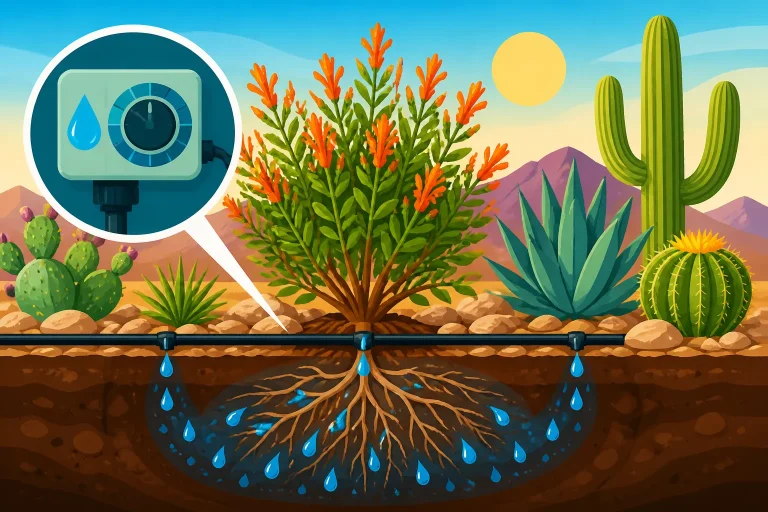
Setting drip system run times in Arizona depends on emitter output, soil, and crop roots; inspect moisture in the root zone and adjust from evidence.
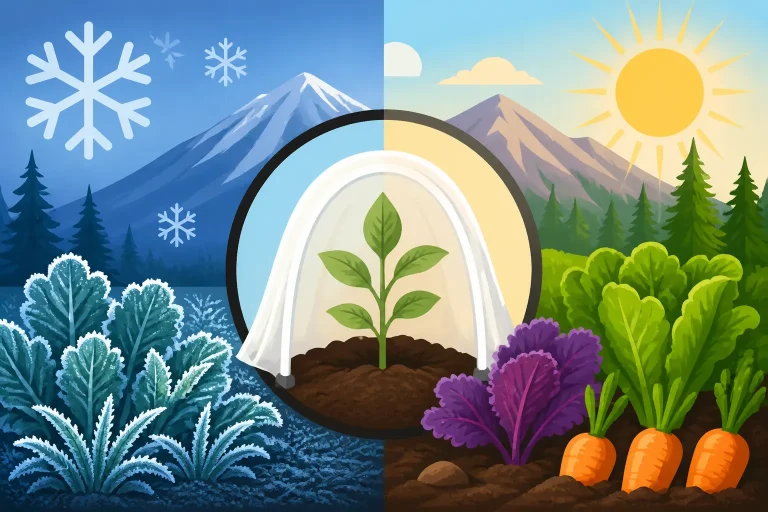
A garden in Arizona’s high country can face late spring freezes, cool summer nights and an early fall frost, sometimes within the same growing season. The challenge is not just choosing crops that tolerate cold; it is fitting sowing, transplanting and harvest into the time your site actually offers. A flexible calendar, based on local…
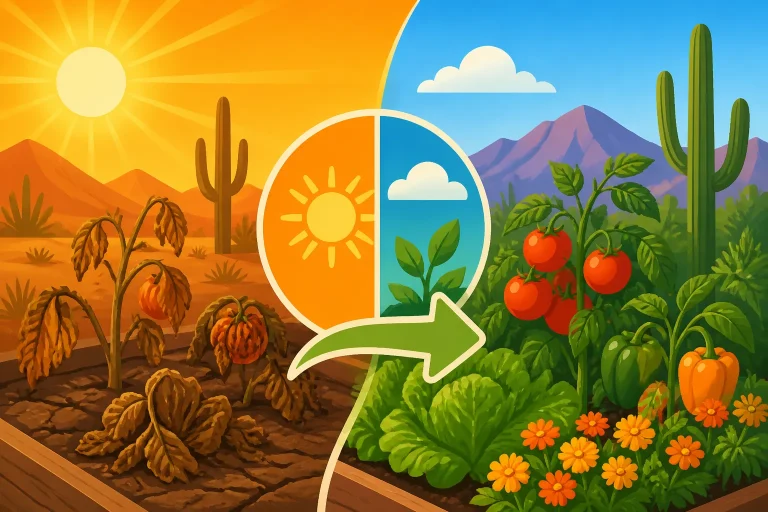
A July garden in Arizona can look finished: tomatoes stop setting fruit, leaves scorch, and seedlings collapse despite regular watering. The answer is not always to replant immediately. Recovery depends on what failed, where you garden, and how soon cooler weather arrives. Use the heat to diagnose and reset, then choose whether to protect surviving…
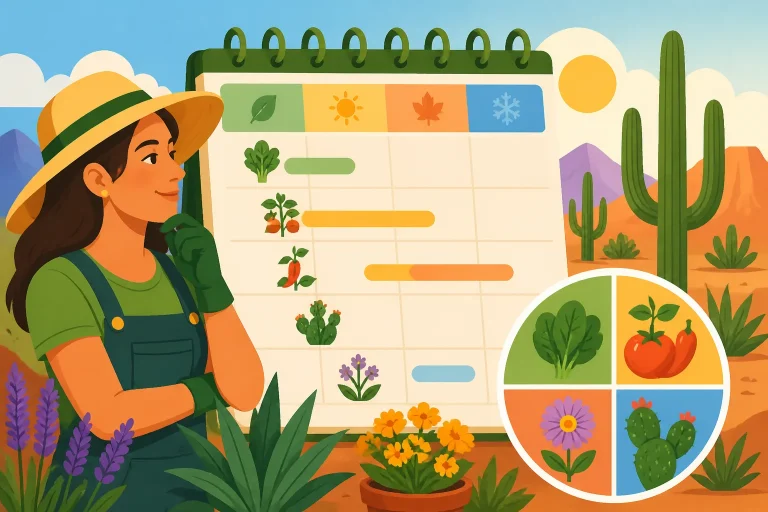
Choosing the right Arizona planting calendar means matching your elevation, frost exposure, heat, and soil conditions—not relying on a statewide date.